We don’t just plant trees; we grow independence. By returning native fruit species to our soil, we’re building a sustainable food system owned and operated by our People.
Cultivating Food Sovereignty for Our Nations
Apples and native fruits carry memory in their seeds and skins—recipes, harvest stories, and stewardship practices passed between generations. They are living expressions of food sovereignty and the relationships that bind people to the land and to each other.
Our story
How Our Apples Grow
Growing apples in Saskatchewan is a story of endurance and adaptation. Our orchards use cold-hardy cultivars like Harcourt, September Ruby, and Battleford—developed to survive -40°C winters and short growing seasons.
By grafting onto Siberian Crabapple rootstock and planting in protective "shelterbelt" formations with native shrubs like buffaloberry and caragana, we create a microclimate that shields the fruit from prairie winds and concentrates sweetness in every apple.
Together we practice regenerative orchard methods—seed saving, living mulches, watershed-conscious planting—and create pathways for cultural restoration and economic empowerment through apprenticeships, community markets, and cooperative value chains. We invite you to learn with us, to tend these trees, and to join a living movement of renewal.
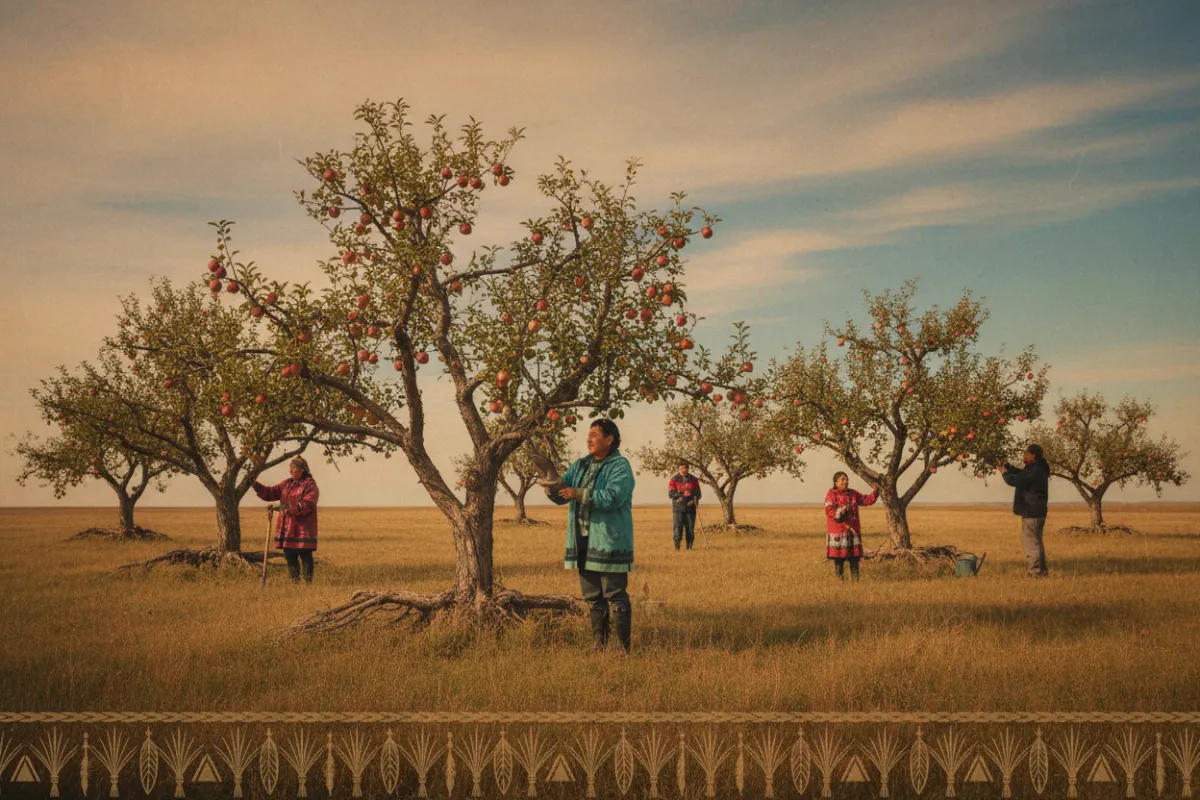
“When we plant an orchard, we are planting cousins who will outlive us. We choose varieties that remember our winds, our soil, our stories.”
3,000+
Traditional fruit and nut varieties at risk globally—each with its own story and place.
1 shared goal
To grow orchards that nourish people, cultures, and landscapes together.
Indigenous orchard ways
From backyard gardens to ancestral groves in Saskatchewan
Apples and native fruits such as saskatoon (serviceberry), chokecherry, and highbush cranberry have long supported First Nations communities in Saskatchewan—providing food, medicine, and material for ceremony. Orchard patterns link biodiversity, cultural practice, and shared stewardship across generations.
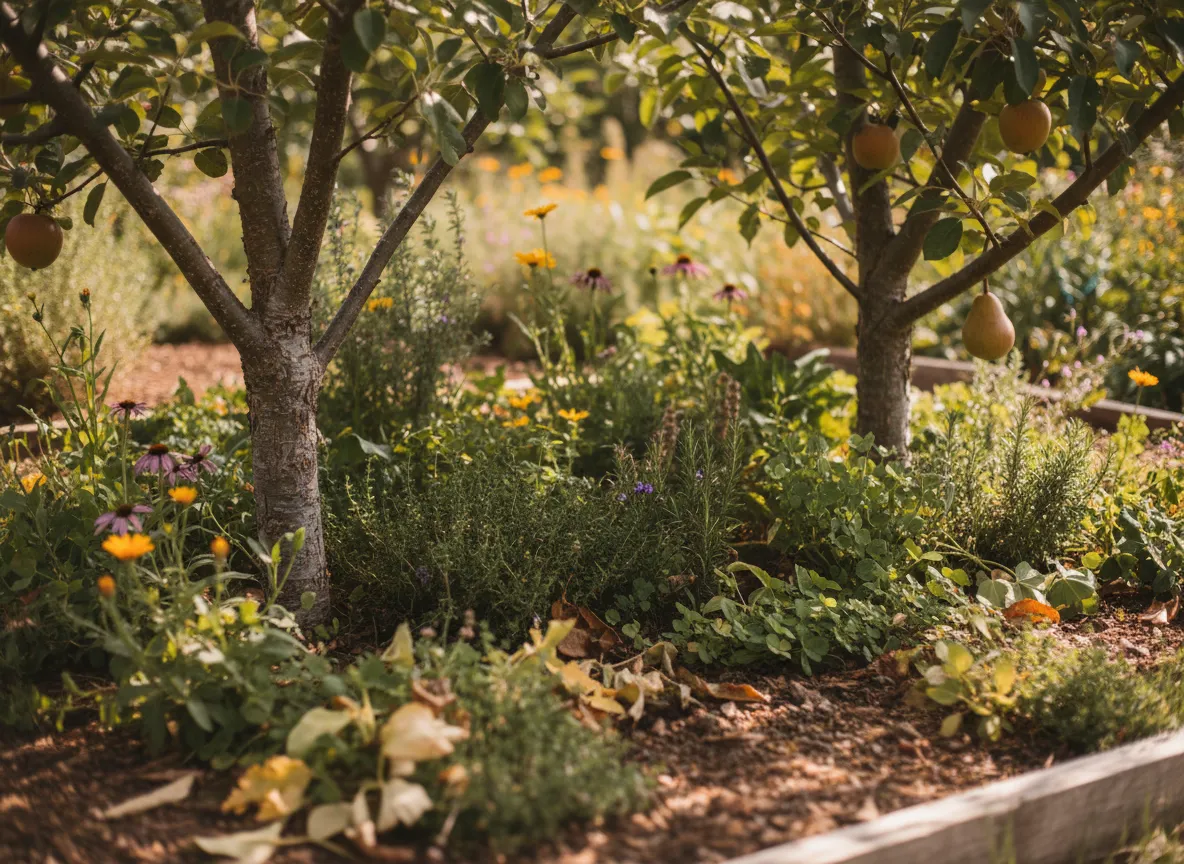
Companion orchards
Companion orchards pair apple trees with native understory plants (saskatoon, wild strawberries, medicinal herbs) to boost pollinators, enrich soil, and provide diverse food and medicines for drying, preserves, and ceremonies.
- Layered canopy and understory planting
- Traditional medicinal and culinary herbs
- Habitat for bees, birds, and soil life
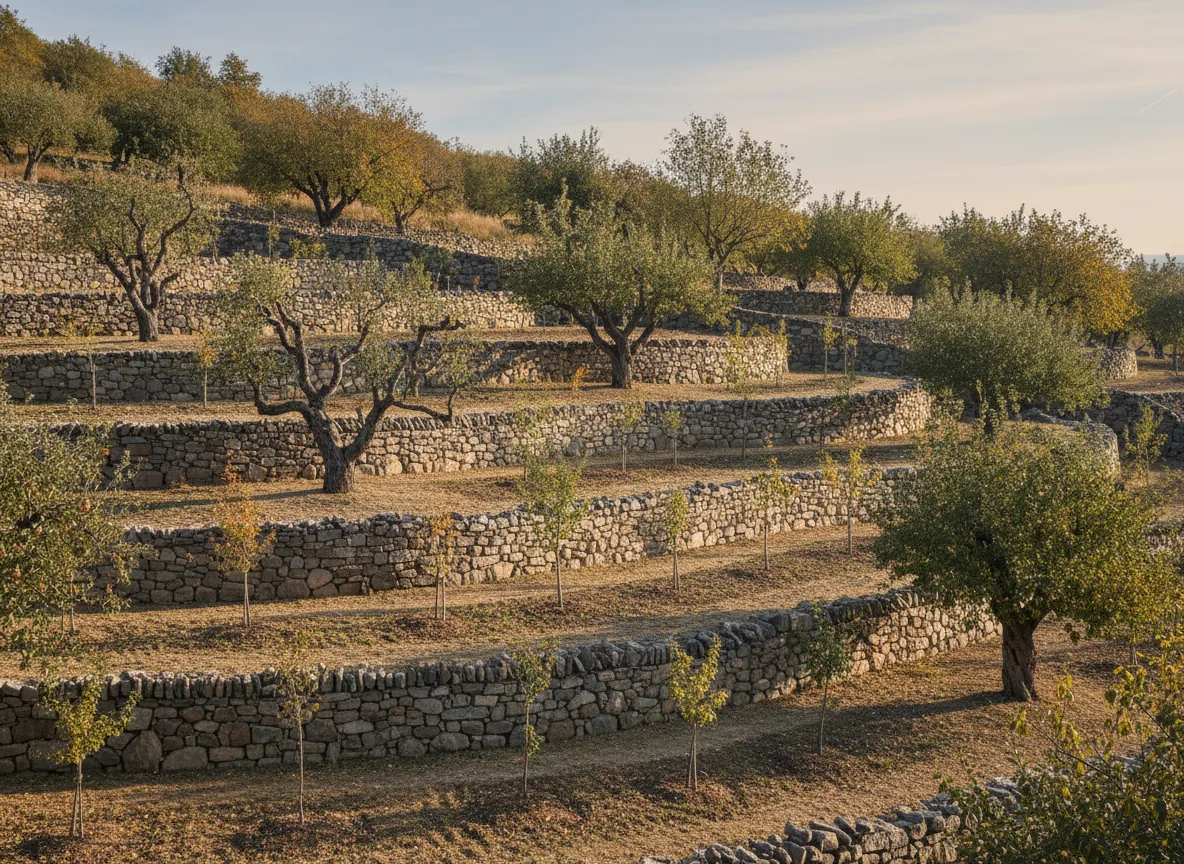
Terraced & hillside groves
Terraced and hillside groves stabilize slopes and create varied habitats; integrating apples with native shrubs like chokecherry and buffalo berry increases resilience while supplying nutritious fruit and traditional medicines.
- Gravity-fed water channels and swales
- Dry stone walls as living infrastructure
- Orchards shaped by local climate and slope
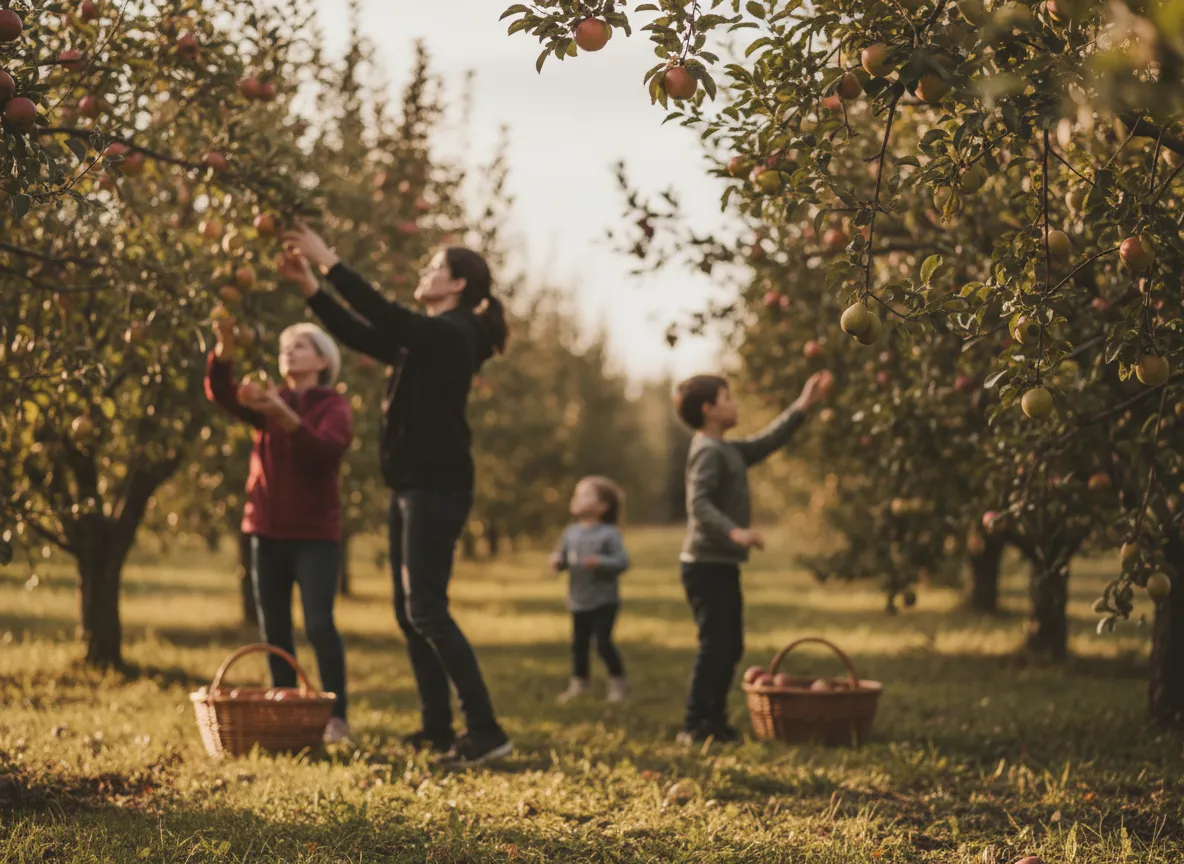
Community harvest spaces
Community harvest spaces center gathering, teaching, and shared stewardship—where apples and native fruits such as saskatoon and highbush cranberry are harvested for meals, preserves, seed saving, and cultural feasts that strengthen social ties.
- Shared care agreements and harvest days
- Elders and youth learning side by side
- Fruit as nourishment, not just product
Practices & Principles
Orchard Care Rooted in Indigenous Knowledge
This guidance presents orchard management grounded in Indigenous knowledge: relationship, consent, and reciprocity. It offers practical, place-based advice on site selection, soil building, companion planting, water harvesting, seasonal care, and starting small—always with humility, local listening, and a commitment to give back to the land.
- Site selection: Prioritize sites with the right sun, slope, and soil for your local climate and consult local knowledge for sensitive places to avoid.
- Soil-building: Start with compost, mulches, and cover crops to feed soil life before planting long-lived trees.
- Companion planting: Use layered plantings and guilds—canopy, shrubs, herbs, and groundcovers—to support pollinators, beneficial insects, and microclimates.
- Water harvesting: Slow, sink, and spread water with swales, basins, and mulched basins to support trees through dry seasons.
- Seasonal care: Follow local seasonal cues for pruning, planting, and rest; observe and adapt rather than imposing a fixed calendar.
- Start small: Pilot a corner of the orchard, monitor results, and scale with care and consent.
Plant with consent
Plant with consent: before introducing particular species, learn whether those varieties, seeds, or ceremonies are appropriate on the land you steward. Ask permission from local Indigenous communities when relevant, choose locally adapted and culturally appropriate varieties, and begin in a small test patch—observe, learn, and expand only with clear consent and confidence.
Honor local knowledge
Honor local knowledge: center elders, land stewards, and Indigenous knowledge holders when assessing site, species, and timing. Let local ecological calendars and observations guide site selection and seasonal care, and support Indigenous-led initiatives with time, resources, or advocacy.
Grow for more than yield
Grow for more than yield: design for layered productivity—canopy trees, understory shrubs, herbs, and groundcovers that create habitat, shade, and beauty as well as food. Use companion planting and guilds to build resilience, encourage beneficial insects, and prioritize diversity and function over maximizing per-tree yield.
Give back to the land
Give back to the land: treat the orchard as a relative. Build soil with regular additions of compost and mulch, return organic matter each season, and use water-harvesting techniques to hold moisture on the landscape. Keep seasonal care gentle—protect roots during wet months, refresh mulch in dry months—and plan practices that restore soil, biodiversity, and relationships to place.
Learning & resources
Grow your understanding before you grow your trees
These guides and reflections are designed for individuals, home gardeners, and community organizers who want to approach indigenous orchard knowledge with care.
Indigenous orchards in Saskatchewan
A place-based overview focused on Indigenous orchards in Saskatchewan—history, species, and respectful engagement practices for land stewards and gardeners.
Designing small indigenous-inspired gardens and orchards
For patios, balconies, community plots, and small orchard sites. Learn how to translate orchard principles into containers, pocket gardens, and backyard orchards.
Conversation prompts for engaging local knowledge-holders
Gentle, respectful prompts and questions for approaching local knowledge-holders, elders, or community organizations about orchards and land-based projects.
Questions & care
A thoughtful place to begin
Indigenous orchard knowledge is not ours to own. This site offers a carefully curated introduction, while encouraging you to build direct, respectful relationships in your own region.
How should I approach planting with local communities?
Start by learning whose land you are on and reach out to local Indigenous communities or organizations. Ask to listen, offer support rather than direction, and follow community priorities—building relationships before projects.
What should I know about consent and cultural protocols?
Seek free, prior, and informed consent for activities affecting land, plants, or cultural knowledge. Respect requests about plants with ceremonial roles, never press for restricted information, and follow any care or use protocols given.
Where should I source native fruit varieties?
Work with Indigenous-led seed networks, local nurseries, or community seed banks that document provenance and permissions. Avoid buying or sharing plants with unclear origins—ask about cultural significance and appropriate circulation.
How do orchards support food sovereignty?
Community orchards can strengthen local food systems by preserving seeds, supporting seasonal harvesting, and passing on traditional growing practices. When led by Indigenous people, they also reinforce cultural knowledge and local decision-making over resources.
How can I participate respectfully?
Join or support Indigenous-led projects, volunteer only with invitation, offer resources or skills in ways that communities request, and credit and amplify Indigenous leadership. Practice ongoing humility, learning, and reciprocity in all interactions.
Indigenous Orchards
We acknowledge and honour the First Nations peoples of Saskatchewan—their enduring connection to the land, waters, and plants—and recognize their inherent rights and sovereignty.
We offer this site with gratitude and humility. We honour stewardship that cares for orchards and seeds, and invite you to move slowly, listen deeply, and support Indigenous-led work where you live.
Stay connected with the work
Stay connected: sign up for our newsletter or contact us to hear about events, stories, and ways to support Indigenous-led projects.
© 2026 Indigenous Orchards. Please credit and link back when sharing, and prioritize indigenous sources wherever possible.